
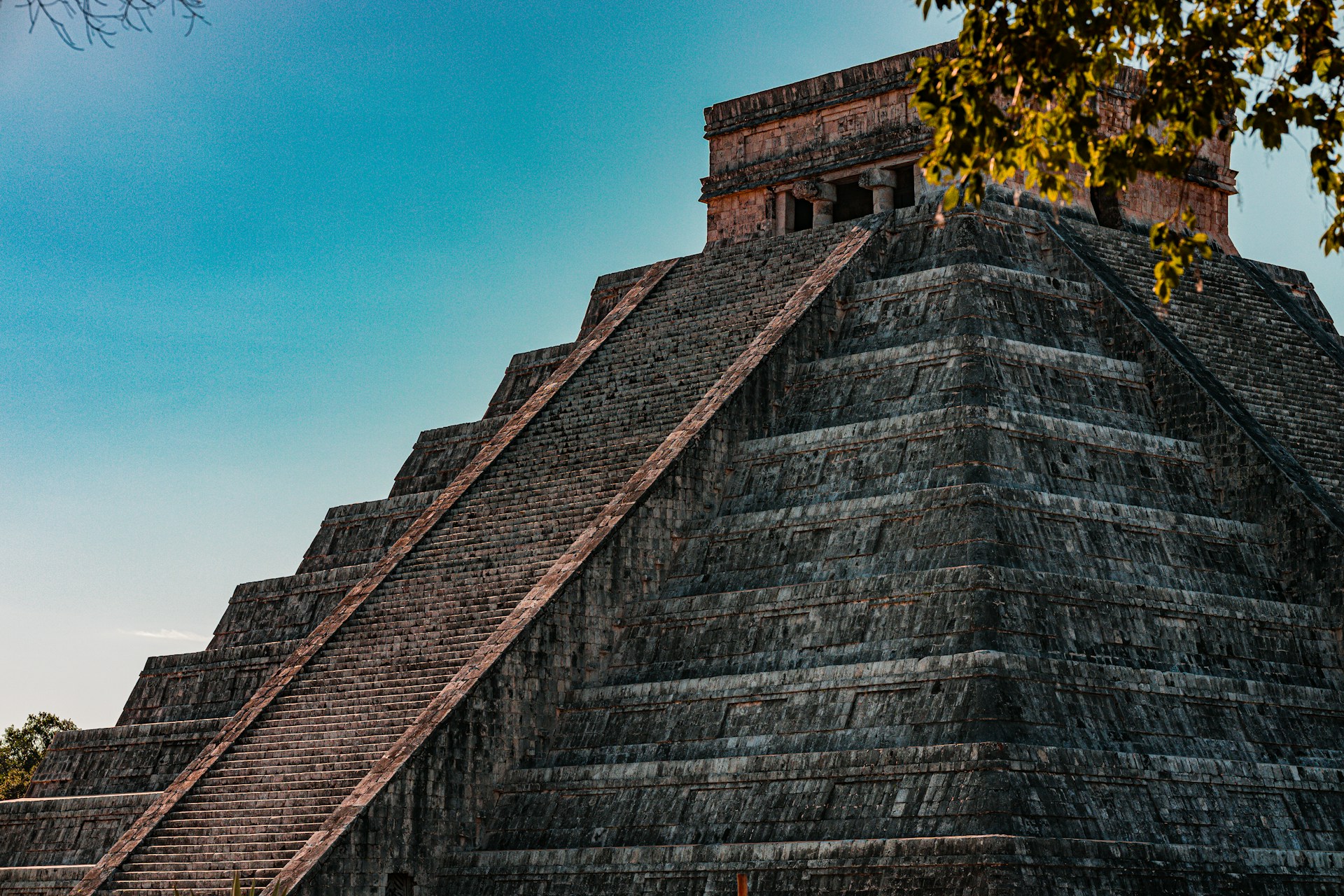
Chichén Itzá is more than a famous archaeological site. It is one of the most important cultural treasures in Mexico and one of the best places to experience the legacy of the ancient Maya world. Recognized by UNESCO as a World Heritage site since 1988, Chichén Itzá stands as a symbol of history, architecture, science, and spiritual tradition.
1. It connects you with one of the greatest civilizations in history
Visiting Chichén Itzá is a chance to step into the world of the Maya, one of the most advanced civilizations of the ancient Americas. The city was once a major political, religious, and economic center in the Yucatán Peninsula, and its remains still speak of its former power and influence.
2. It is one of the most iconic archaeological sites in the world
Chichén Itzá is globally recognized for its beauty and importance. It is not just a Mexican landmark, but a world-famous destination admired for its monumental architecture and historical value. Its international recognition has made it one of the most visited and admired pre-Hispanic sites on Earth.
3. El Castillo is a masterpiece of ancient engineering
The Pyramid of Kukulkán, also known as El Castillo, is one of the most extraordinary structures in the ancient world. Its symmetry, design, and symbolic meaning reveal the advanced knowledge the Maya had of mathematics, astronomy, and sacred geometry. Seeing it in person is enough reason on its own to visit Chichén Itzá.
4. It helps you understand the Maya view of the universe
Chichén Itzá was not built randomly. Its temples, ceremonial spaces, and alignments reflect a deep connection between architecture, nature, time, and the cosmos. A visit here is not only about looking at ruins, but about discovering how the Maya understood life, the heavens, and the cycles of the world.
5. It preserves the meeting of Maya and Toltec influences
One of the most fascinating things about Chichén Itzá is that it reflects more than one cultural tradition. The site shows both Maya heritage and strong Toltec influence, making it especially important for understanding the exchange of ideas, art, religion, and power in ancient Mesoamerica.
6. It is a place of enormous cultural pride for Mexico
To visit Chichén Itzá is to appreciate one of Mexico’s greatest national treasures. It represents the richness of the country’s Indigenous past and reminds visitors of the depth, sophistication, and lasting legacy of pre-Hispanic civilizations.
7. It offers much more than just one pyramid
While El Castillo is the most famous structure, Chichén Itzá includes many other remarkable monuments, such as the Temple of the Warriors, the Great Ball Court, and El Caracol. Each one reveals a different side of the city’s religious, political, and scientific life, making the visit far richer than many people expect.
8. It reminds us why preservation matters
Millions of people visit Chichén Itzá, and that popularity makes conservation incredibly important. Visiting the site with respect helps support awareness of the need to protect irreplaceable heritage for future generations. It is a place that teaches not only history, but responsibility.
9. It is one of the most meaningful experiences in the Yucatán Peninsula
There are many beautiful places in southeastern Mexico, but few have the emotional and historical impact of Chichén Itzá. Standing before these monuments in person creates a sense of wonder that photos cannot fully capture. It is one of those destinations that leaves a lasting impression long after the trip ends.
10. It keeps history alive through experience
Reading about the Maya is valuable, but walking through Chichén Itzá makes that history feel real. The scale of the buildings, the atmosphere of the site, and the stories carved into its stones allow visitors to experience the past in a powerful and memorable way. That is why visiting Chichén Itzá is not only worthwhile, but important.
Chichén Itzá is one of the most important archaeological sites in Mexico, open to visitors daily under INAH management, and its UNESCO status reflects its lasting universal value. A visit here is not just a tour stop — it is an encounter with history, knowledge, identity, and wonder.